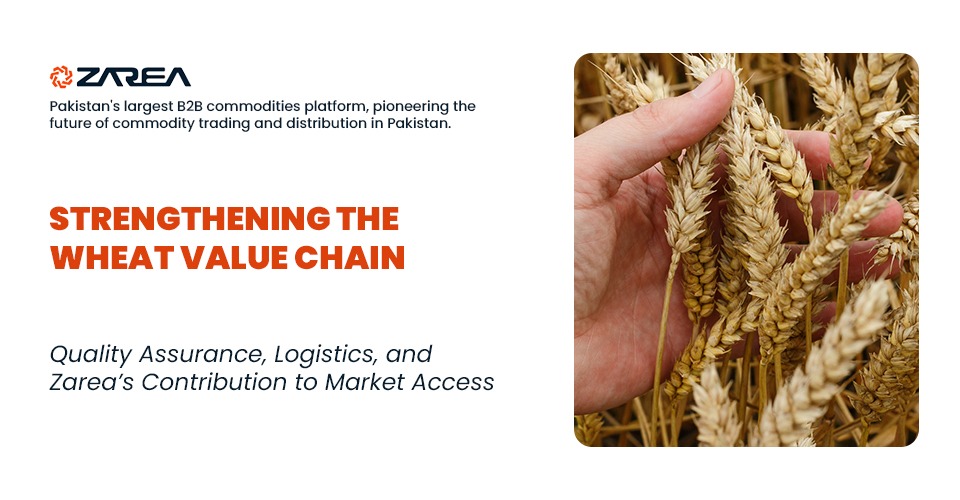
Strengthening the Wheat Value Chain: Quality Assurance, Logistics, and Zarea’s Contribution
Explore wheat quality, diseases, storage, and supply chain challenges in Pakistan, and how Zarea is improving procurement and logistics through its Dunyapur project.
A Strategic Perspective from Pakistan’s Commodity Landscape:
More than just a crop, wheat is essential to rural lives, the foundation of food security, and a strategic commodity that influences national stability. Wheat production, quality, storage, and distribution are issues of both economic and social significance in Pakistan, as it is a daily family staple.
The quality characteristics of wheat, prevalent infections, systemic issues, and the crucial function of supply chain and storage facilities are all covered in this article. It also emphasises how organised procurement and innovative logistics are helping private sector companies like Zarea to bolster the wheat ecosystem.
Understanding Wheat Quality: The Core of Value:
Wheat's market price, usefulness, and overall value chain efficiency are all influenced by its quality. Grain size, moisture content, protein levels, and cleanliness are some of the important factors that affect wheat quality in Pakistan.
Uniform grain structure, ideal moisture content (usually less than 12%), and negligible contamination are characteristics of high-quality wheat. Because it influences gluten strength, which in turn dictates the texture and elasticity of dough, protein concentration is particularly crucial for the manufacturing of flour.
However, because to differences in seed selection, soil conditions, irrigation techniques, and post-harvest management, many farmers still struggle to achieve consistent quality. Structured procurement processes, such as those used by Zarea, are crucial in this situation. These platforms encourage farmers to raise crop quality by standardising quality tests and guaranteeing clear grading procedures.
Understanding Wheat Quality:
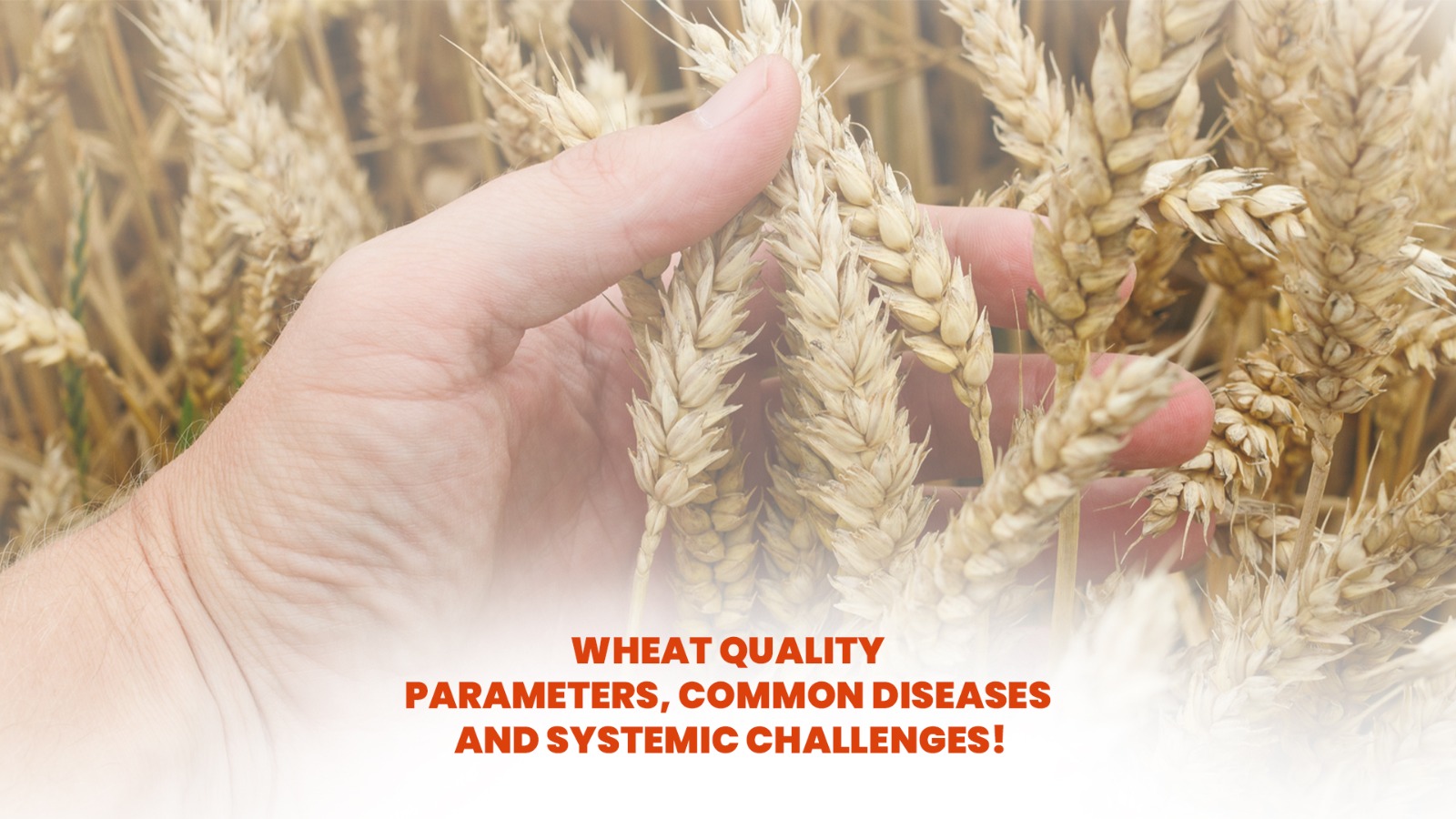
Wheat's usefulness for a variety of final applications, including as baking, industrial processing, and flour manufacture, depends on its quality. Wheat quality is determined by a number of factors:
1. Protein Content and Grain Hardness
Softer wheat kinds are utilised for pastries and biscuits, whereas hard wheat varieties, which are high in protein, are chosen for creating bread. Gluten strength, which impacts dough elasticity and baking performance, is directly impacted by protein quantity.
2. Levels of Moisture
One important consideration is moisture content. To avoid spoiling, wheat should ideally be kept at moisture contents of less than 12–13%. Fungal growth and quality degradation might result from excessive moisture.
3. Cleanliness and Purity
Stones, dust, and other grains are not present in high-quality wheat. To uphold standards, proper cleaning and grading are crucial.
4. Kernel Uniformity and Size
Consistent milling and processing are ensured by uniform grain size. The quantity and quality of flour can be impacted by variability.
From farm to storage, maintaining these quality standards necessitates cautious handling, underscoring the need of an integrated supply chain.
Common Wheat Diseases and Their Impact:
Numerous diseases can drastically lower the productivity and quality of wheat crops. Among the most prevalent are:
1. Stem, Leaf, and Stripe Rust Diseases
Fungal infections are the source of rust illnesses, which may spread quickly in the right circumstances. They diminish photosynthesis, harm plant tissues, and eventually impair grain output.
2. Bunt and Smut
Grain is directly impacted by these fungal infections, which result in contamination and unpleasant smells. Infected grains are frequently unfit for processing or ingestion.
3. Powdery Mildew
Plant development and production are impacted by this disease, which manifests as a white, powdery covering on leaves and stems.
4. The Fusarium Head Blight
a dangerous illness that puts customers' health at risk by reducing yield and producing mycotoxins.
Resistant seed types, prompt fungicide use, and appropriate farming methods are all necessary for effective disease control.
Key Challenges in Wheat Production:
The wheat industry has a number of structural and operational difficulties despite its significance:
Variability in the Climate
Crop yields and quality are impacted by shifting weather patterns, such as erratic rainfall and temperature swings.
Costs of Input
Farmers are under financial strain due to rising fuel, fertiliser, and seed costs, which has an impact on their profitability and productivity.
Losses After Harvest
Poor handling, inadequate storage, and ineffective transportation methods cause a large amount of wheat to be lost.
Inefficiencies in the Market
Price volatility and lower returns for farmers might result from fragmented markets and a lack of transparency.
The public and business sectors must work together to address these issues.
The Role of Supply Chain in Wheat Management:
For wheat to be transported from farmers to markets effectively, a strong supply chain is necessary. There are usually several steps in the wheat supply chain:
1. Purchasing
This is the first phase of buying wheat from farmers. Fair pricing and prompt payments are guaranteed by effective procurement mechanisms.
In this field, Zarea has become a major player. Zarea works in a competitive buyer environment as one of the major firms engaged in wheat procurement on a nationwide scale. Its methodical approach to wheat procurement guarantees dependability and regularity.
2. Transportation and Aggregation
Wheat is transported to processing or storage facilities after being collected at collecting locations. Effective logistics minimise losses and cut down on delays.
Zarea's activities in the Punjabi area of Dunyapur serve as an excellent example of this strategy. In order to create a localised but effective procurement network that benefits both farmers and purchasers, the firm gathers wheat from a 40-kilometer radius.
3. Distribution and Processing
After that, wheat is ground into flour and sold in marketplaces. In order to satisfy customer expectations, quality must be maintained at this phase.
Storage: The Most Critical Link:
Perhaps the most important—yet sometimes disregarded—part of the wheat value chain is storage. Due to contamination, dampness, and pests, improper storage can result in large losses.
Conventional Storage Difficulties
Conventional storage techniques, which are susceptible to environmental influences, are used by many farmers and dealers. Wheat quality can be lowered by inadequate temperature management and ventilation.
Contemporary Storage Options
Better protection is provided by sophisticated storage facilities, such as climate-controlled warehouses and silos. These systems aid in preventing insect infestations and maintaining ideal moisture levels.
Cooperation between the Public and Private Sectors
Storage and procurement systems in Punjab are being improved by government-private partnership efforts.
One such example is Zarea's participation in the Dunyapur site. This project, which is backed by the Punjabi government, attempts to enhance storage procedures and expedite the acquisition of wheat. It lowers post-harvest losses and increases efficiency by establishing an organised environment.
Zarea’s Contribution to the Wheat Ecosystem:
Zarea's involvement in the wheat industry is indicative of Pakistan's larger effort to modernise commodities trade. The business is tackling major issues in market access, logistics, and procurement by utilising technology and organised procedures.
Its activities in Dunyapur serve as an example of how regional initiatives may have a national effect. Zarea guarantees improved traceability, quality control, and farmer participation by sourcing wheat within a predetermined radius.
Its cooperation with government programs also emphasises how crucial public-private partnerships are to bolstering agricultural value chains.
The Future of Wheat in Pakistan:
The capacity to combine contemporary storage technologies, effective supply chains, disease control, and quality management will determine Pakistan's wheat industry's future.
Increasing production and lowering losses will need investments in infrastructure, technology, and farmer education. In addition, encouraging cooperation between public and private sector entities would contribute to the development of an ecosystem that is more transparent and robust.
Final Thoughts:
Pakistan's economy and food security continue to rely heavily on wheat. A comprehensive strategy is needed to guarantee its quality, guard against illness, and oversee its transportation from farm to customer.
Strategies for dealing with problems must change as they do. Together with government efforts, businesses like Zarea are playing a critical role in reshaping the wheat industry to be more sustainable, efficient, and compliant with international standards.
Ultimately, the wheat narrative is about more than simply agriculture; it's about perseverance, creativity, and teamwork in securing a country's most vital resource.