Agricultural Waste Products – Turning Trash into Treasure
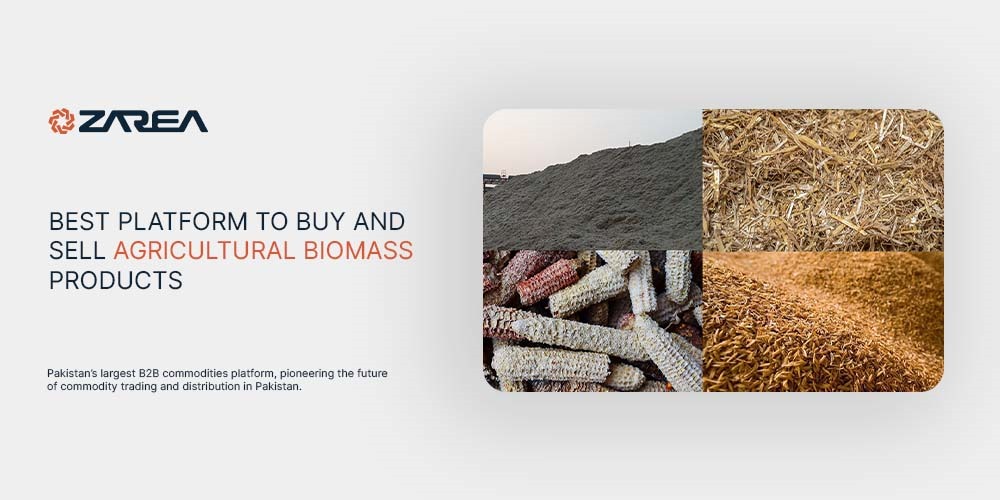
Zarea provide a diverse array of agricultural waste products that serve multiple sectors, ranging from agriculture to renewable energy.
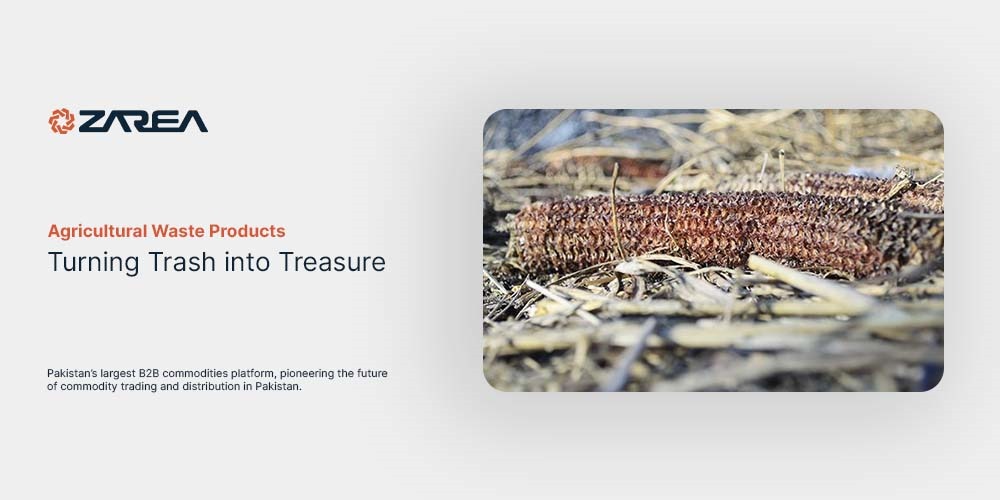
Introduction to Agricultural Waste Products:
Agriculture is the most indispensable industry in the world as it provides food, raw materials, etcetera. In addition, a considerable quantity of generated wastes accompanies this industry of agriculture. Agricultural wastes are different wastes from cultivated fields, farms, slaughter houses, or food packing areas. These wastes, most of the time, are being discharged into the sources of the environment, resultantly causing pollution. Appropriate handling and exploitation of the wastes is called management. It also includes sustainable development of these wastes. At Zarea, we play a pivotal role in this transformation by offering a range of agricultural and construction products that align with sustainable practices. Consequently, as a leading e-commerce platform, Zarea ensures easy access to innovative solutions, including those centered on the efficient use of agricultural waste products.
Understanding the Sources of Agricultural Waste:
Agricultural wastes are generated in their various forms, indicating diversity in farming activities. Some of the major contributors include Crop Residues, husks, and stalks after harvest. These are commonly burnt, contributing a great deal to air pollution; however, they can be an alternative source of biomass energy and organic fertilizers.
Another significant contributor is livestock waste, primarily manure and bedding material from cattle, poultry, and other farm animals. Similarly, the food processing industry generates by-products such as fruit peels, nutshells, and pulp. These materials are typically discarded, but they can be repurposed for bioenergy or compost. Understanding these sources highlights the need for integrated waste management strategies that prevent pollution and add value to discarded materials.
Types of Agricultural Waste Explained:
Agricultural waste is diverse and includes several types that require specific management techniques. Here we focus on three significant types:
1. Crop Residues Crop residues are constituted by the stalks from crops, leaves, residual roots, and the aftermath of harvesting. These could generally be put to reuse methodically for bedding, resources of biomass, and other such avenues.
2. Livestock Waste Manure and bedding materials from livestock are considered one of the major agricultural wastes. Their environmental impact could be minimized with proper management.
3. Agrochemicals Containers such as pesticide bottles and fertilizer bags, are prevalent sources of inorganic waste in agriculture. Effective disposal is crucial to prevent soil and water pollution.
Impacts of Agricultural Waste on the Environment:
Bad agricultural waste management can result in a high level of environmental problems, for example, landfills runoff that leads to water pollution, while decay of organic matter can finally lead to methane, such a potent GHG. Thereby, comprehension of these impacts supports the formulation of effective strategies to combat their possible effects.
Transforming Agricultural Waste into Energy:
One of the most promising uses of agricultural waste is energy generation. Specifically, this process involves converting waste into renewable energy sources such as biogas, bioethanol, and biodiesel.
Biogas Production: Animal waste and plant leftovers can undergo anaerobic fermentation to generate biogas rich in methane.
Bioethanol and Biodiesel: Plant residues, particularly from corn and sugarcane, can be transformed into biofuels.
Direct Combustion: Biomass can be burned directly to produce heat and electricity.
Energy options based on agricultural waste not only lessen reliance on fossil fuels but also minimize environmental pollution.
Zarea Offers Agricultural Waste Products:
At Zarea, we take pride in offering solutions that connect agriculture with sustainability. As a result, in accordance with this dedication, we provide a diverse array of agricultural waste products that serve multiple sectors, ranging from agriculture to renewable energy. Additionally, our products are meticulously selected to fulfill high-quality criteria, guaranteeing optimal usability and ecological advantages. Additionally, below are some of the agricultural waste products available on our platform:
Wheat Straw:
Wheat straw is a versatile by-product used in animal bedding, composting, and even bioenergy production.
Specifications:
Moisture: 10-12%
Dust: 4-6%
Rice Husk
Rice husk is ideal for bioenergy generation and as a soil amendment in farming. Its lightweight nature and composition make it highly adaptable for various applications.
Specifications:
Moisture: 12-14%
Dust: 6-8%
For a deeper dive into the innovative uses of rice husk, see our detailed blog post.
Corn Cob White
Corn cobs white are excellent raw materials for biomass energy production and industrial uses. We offer two variations:
New Corn Cob White:
Moisture: 18-22%
Dust: 5-7%
Old Corn Cob White:
Moisture: 8-10%
Dust: 6-8%
Corn Cob Red
Another variant of corn cob red, this product is suitable for livestock feed and bioenergy production.
Specifications:
Moisture: 10-12%
Dust: 6-8%
Bagasse
Bagasse is a by-product of sugarcane used in the production of paper, the generation of biofuel, and as a soil conditioner. It is renewable and thus a valuable resource in the search for sustainability.
The Benefits of Recycling Agricultural Waste:
Recycling agricultural waste offers extensive advantages that go beyond just environmental protection. To begin with, it lessens pollution. Conventional methods such as incinerating crop waste emit dangerous pollutants into the atmosphere. Transforming these materials into compost or bioenergy provides a more environmentally friendly option.
Conclusion – Unlocking the Potential of Agricultural Waste:
Agricultural waste is now not considered a problem but an opportunity to be harnessed. Different value-added products, including energy and compost, can be produced from organic waste using innovative technologies with responsible management. Such practices have also improved farm productivity, promoted environmental conservation, and assured economic growth.
At Zarea, we see ourselves right at the heart of this transformation, having our customers empowered to turn the dreams of a waste-free agriculture sector into reality. And all together, we convert agricultural waste from a problem into one of the most valuable raw materials for the future that is productive and sustainable, agriculture-wise.
FAQs:
What can be produced from agricultural waste?
Agricultural waste can be converted into numerous valuable products such as biofuels, animal feed, paper manufacturing, and bioplastics.
What are the examples of agricultural waste?
Typically, we categorize agricultural waste into four types: processing waste, consisting of packaging materials and fertilizer containers; crop waste, which consists of rice husk, sugarcane bagasse, and wheat straw; hazardous waste, encompassing insecticides and pesticides; and animal waste, comprising animal excreta and deceased animals.
How is plant waste used to make energy?
Plant waste can be transformed into biofuels such as ethanol and biogas via methods like fermentation and anaerobic digestion.