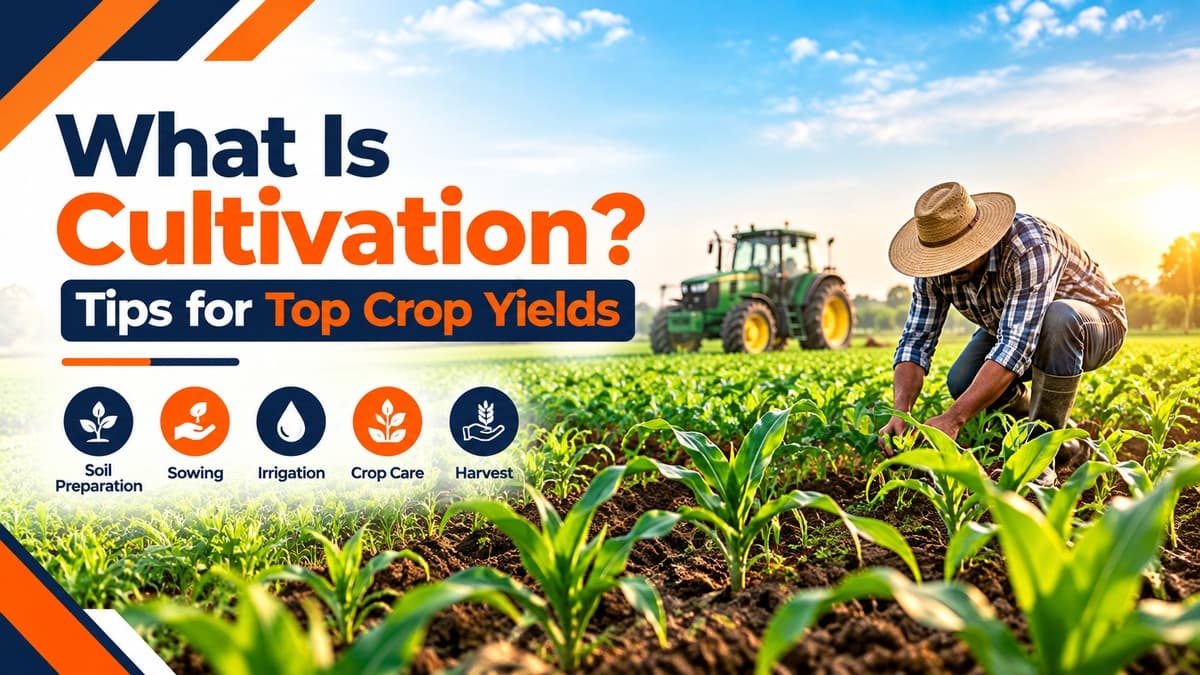
What Is Cultivation: Tips for Top Crop Yields
Discover how proper soil cultivation can transform your farm. Maximize your crop yields with proven strategies for healthier, nutrient-rich soil today.
Introduction:
Every legendary harvest begins beneath the soil's surface. While it is easy to get caught up in choosing the flashiest seeds or the most advanced irrigation systems. Because the real magic happens is in the dirt. First you must master soil cultivation fundamental practices. Especially if you want to unlock maximum productivity on your land.
But the real question is, what is cultivation? How can you use this method to transform your fields into high-yielding powerhouses? Let’s dig into the science, the strategies, and the future of working the earth.
What Is Cultivation?
Cultivation is the deliberately loosening and preparing act through which soil is highly optimized for plant growth. It is an ancient agricultural practice that bridges the gap between raw and wild earth. It also improves highly productive seedbeds in the fields.
The cultivation term refers to two distinct phases in modern farming and gardening.
1) Primary Cultivation: We break up deeply compacted and undisturbed soil in this process. The main purpose is to open up the land (often done via plowing).
2) Secondary Cultivation: Working through the top layers of the soil to eliminate emerging weeds so you can create perfectly smooth and fine-textured soil. Additionally, it also incorporates fertilizers for planting seeds purposes.
Understanding what cultivation is requires looking at it not as a chore. But it acts as a method of setting the stage for life. You are essentially building a comfortable and nutrient-rich home in this way. A home where your crops can thrive without resistance.
How Cultivation Works:
Soil is a living ecosystem. When left untouched, it can pack down tight, blocking out the very elements your crops need to survive. Cultivation mechanically alters the physical structure of the earth to kickstart a chain reaction of benefits.
1) Aeration and Oxygen Flow
Roots need to breathe just as much as leaves do. When you till or turn the earth, you introduce pockets of air into compacted dirt. This boost in oxygen fuels the aerobic microbes that break down organic matter into usable plant food.
2) Moisture Control and Water Infiltration
Hard, crusty soil acts like a concrete slab, causing valuable rainwater or irrigation to run off the surface rather than soaking in. Breaking up that surface crust allows water to penetrate deeply into the root zone, keeping moisture where it matters most.
3) Weed Eradication
Weeds are the ultimate thieves, stealing water, sunlight, and vital nutrients from your cash crops. Running a cultivator or hoe through your rows cleanly uproots these invaders before they can establish deep networks, giving your crops a competitive edge.
Here you can explore our wheat culvitaion article!
The Dangers of Overcultivating:
While the benefits of moving the earth are clear, there is an old saying in agriculture: too much of a good thing will ruin your soil. It can be incredibly tempting to keep tilling until your field looks like smooth and flawless powder. But excessive cultivation can backfire spectacularly.
When you overcultivate, you destroy the natural "aggregates"—the microscopic clumps that give soil its bouncy, resilient structure. Powdered soil easily glues together during heavy rains, forming a rock-hard crust that suffocates emerging seedlings.
Worse yet, pulverized dirt is incredibly vulnerable to erosion. A single heavy windstorm or downpour can sweep away your most fertile topsoil, leaving behind dead, unyielding terrain. Striking a balance between a clear seedbed and minimal soil disturbance is the true secret to long-term agricultural success.
Diagnosing Your Soil Quality:
You cannot manage what you do not understand. Before you drag a single tool through your fields, you need to know exactly what kind of foundation you are working with. Diagnosing your soil quality doesn't always require an expensive laboratory, though routine nutrient testing is highly recommended.
You can perform a few simple checks right in the field:
1) The Squeeze Test: Take a handful of damp soil and squeeze it in your fist. If it crumbles instantly like dry sand, it lacks organic matter. If it forms a hard, sticky ball that refuses to break apart, it is heavy clay that desperately needs aeration. Ideally, it should hold its shape briefly but crumble gently when poked.
2) The Infiltration Check: Pour a cup of water onto dry ground. If it sits on top for minutes without moving, your soil is heavily compacted and severely lacks structural porosity.
3) The Earthworm Count: Dig up a one-foot-square block of soil. If you spot five or more earthworms tunneling through, your soil biology is thriving. If it is completely barren of life, it is a sign your soil needs immediate rehabilitation.
Here you can find out our maize cultivation article!
Encouraging Healthy Crops:
Once you have diagnosed your dirt, it is time to use smart cultivation tactics to maximize your yields. The goal is to build a self-sustaining cycle where the soil works for your plants, and your plants work for the soil.
To achieve top crop yields, combine your mechanical cultivation with these vital steps:
[Smart Mechanical Cultivation] ➔ [Add Rich Organic Matter] ➔ [Protect with Mulch/Cover Crops] = Peak Crop Yields
1) Incorporate Organic Matter: Use your secondary cultivation passes to mix in compost, aged manure, or decomposed leaf mold. This acts as a slow-release fertilizer and acts like a sponge to hold onto moisture.
2) Time It Perfectly: Never cultivate soil when it is soaking wet. Doing so forces the water out and squishes the soil particles together, creating dense clods that take years to fix. Wait until the soil is damp but crumbly.
3) Protect the Surface: Once your cultivation is complete and seeds are planted, consider using light mulches or planting living cover crops between rows. This shields the freshly loosened earth from the baking sun and heavy, pounding rains.
The Future of Cultivation:
Agriculture is currently undergoing a massive technological revolution. The traditional image of a farmer blindly plowing up massive clouds of dust is rapidly fading away into history.
Today, the future of cultivation is defined by precision and conservation:
1) Strip-Tillage and No-Till Farming: Instead of turning over an entire field, modern growers only disturb the exact, narrow strip of soil where the seed will be dropped. The rest of the field stays completely protected by the residue of previous crops.
2) Smart Autonomy: GPS-guided tractors and robotic weeders equipped with AI cameras can now cultivate inches away from delicate crop stems with pinpoint accuracy, completely eliminating the need for chemical herbicides.
3) Regenerative Agriculture: Farmers are prioritizing soil biology over mechanical force, using specialized root crops (like daikon radishes) to naturally drill through compacted soil layers rather than relying on heavy metal machinery.
The Bottom Line:
Mastering soil cultivation is not about forcing the earth into submission with heavy equipment. It is about understanding the delicate balance between physical structure, moisture, and biological life.
By learning what is cultivation in its truest sense—and recognizing when to step in and when to leave the earth alone—you can protect your land from erosion, optimize nutrient delivery, and ultimately secure the top crop yields you have been working so hard to achieve. Treat your soil like the living asset it is, and it will reward you with a bounty for generations to come.
Frequently Asked Questions (FAQ)
What is cultivation in agriculture?
Cultivation in agriculture is the process of breaking up, tilling, or loosening the soil to improve its structure, eliminate weeds, and prepare a nutrient-rich seedbed. This ancient farming practice enhances aeration and water infiltration, creating the ideal physical environment for crop roots to grow and absorb nutrients.
How does overcultivating harm the soil?
Overcultivating destroys the natural structural aggregates of the soil, turning it into a fine, dusty powder. This powdered soil easily erodes during windstorms and washes away in heavy rains. Additionally, over-tilled dirt forms a thick, hard crust on the surface when it dries, which prevents water from soaking in and suffocates emerging plant roots.
What is the difference between primary and secondary cultivation?
Primary cultivation involves deeply breaking up hard, compacted, or undisturbed land—often using a plow—to open up the soil profile. Secondary cultivation happens afterward at a shallower depth. It focuses on refining the top few inches of the earth to kill emerging weeds, level the ground, and incorporate organic compost before planting seeds.
When is the best time to cultivate soil?
The best time to cultivate soil is when it is damp but crumbly, never when it is soaking wet or bone dry. Working the soil while it is waterlogged compresses the dirt particles, destroying air pockets and creating rock-hard clods. Cultivating dry soil, on the other hand, creates excessive dust and accelerates erosion.
Why is the future of cultivation moving toward no-till farming?
The future of cultivation is shifting toward no-till and strip-tillage methods to protect soil biology, prevent erosion, and trap carbon in the ground. By minimizing physical disruption and leaving crop residues on the surface, modern farmers can grow healthy crops while restoring the long-term fertility and organic health of their land.